Why PET Polyester Acoustic Panels Are Becoming the Go-To Choice for Modern Interiors
Across schools, offices and public buildings, acoustic performance is no longer optional. As spaces become more open and multi-purpose, controlling noise has become a practical requirement rather than a design extra.
At the same time, specifiers are paying closer attention to durability, safety and environmental impact. As a result, there has been a clear shift toward PET polyester acoustic panels as a reliable long-term solution.
The changing requirements of modern spaces
Today’s interiors are expected to do more. A single room may be used for teaching, meetings, collaboration or community events. However, hard surfaces such as concrete, glass and plasterboard remain common—and acoustically unforgiving.
Because of this, traditional soft finishes alone are no longer enough. Designers now look for acoustic treatments that:
- Perform consistently
- Are safe and robust
- Integrate easily into different layouts
- Meet environmental expectations
PET polyester panels respond well to these requirements. Therefore, they have become a practical choice across a range of projects.
What makes PET polyester panels different
Manufacturers produce PET acoustic panels from recycled polyester fibres, pressed into dense, sound-absorbing boards. Unlike some traditional acoustic products, they do not rely on fabric wraps or fragile finishes.
In practical terms, PET panels:
- Absorb sound to reduce echo
- Maintain their shape over time
- Do not fray, sag or delaminate
- Suit high-use environments
As a result, they are well suited to education, commercial offices, corridors and public spaces.
A practical approach to sustainability
Sustainability claims are common in the building industry. However, PET panels offer a clear and measurable benefit. They are typically made using a high percentage of recycled material and are designed for long service life.
For specifiers, this means:
- Reduced reliance on virgin materials
- Panels that can be reused or relocated
- Fewer replacements over the life of the building
Because of this, PET acoustic panels support long-term building strategies rather than short-term solutions.
Design flexibility without complexity
Another reason PET panels are gaining ground is their design flexibility. For example, they can be used as:
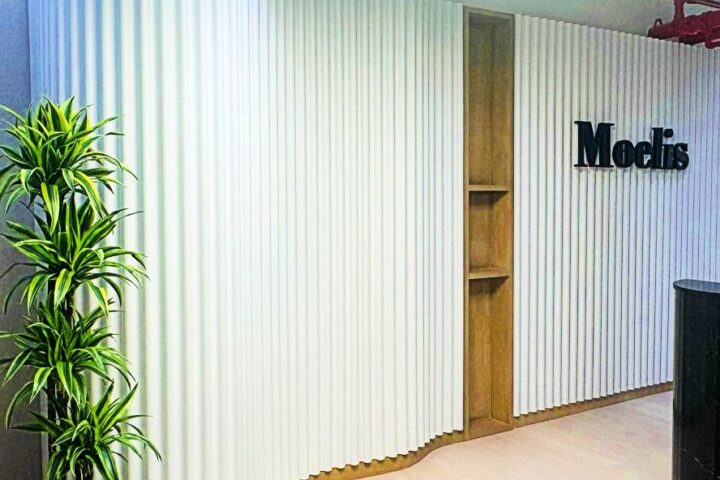
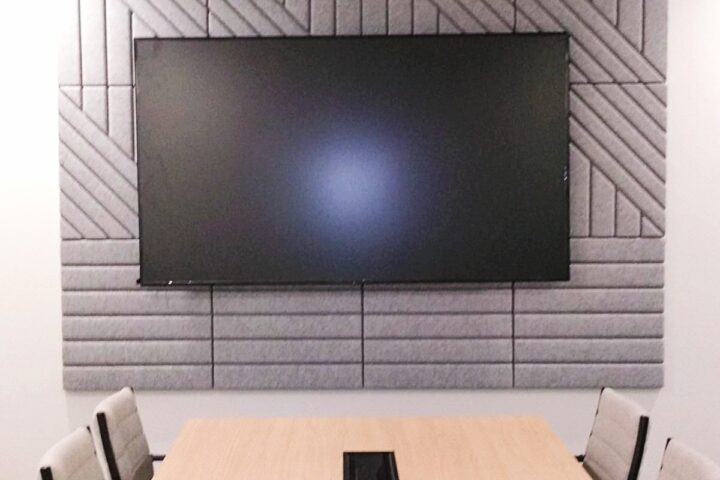
- Wall panels
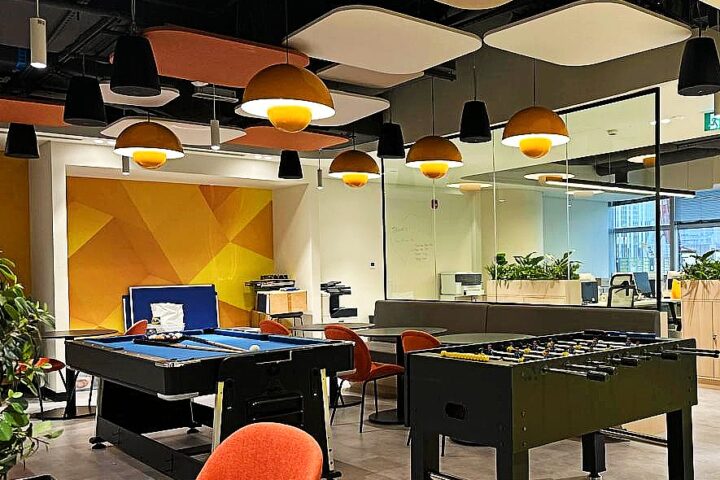
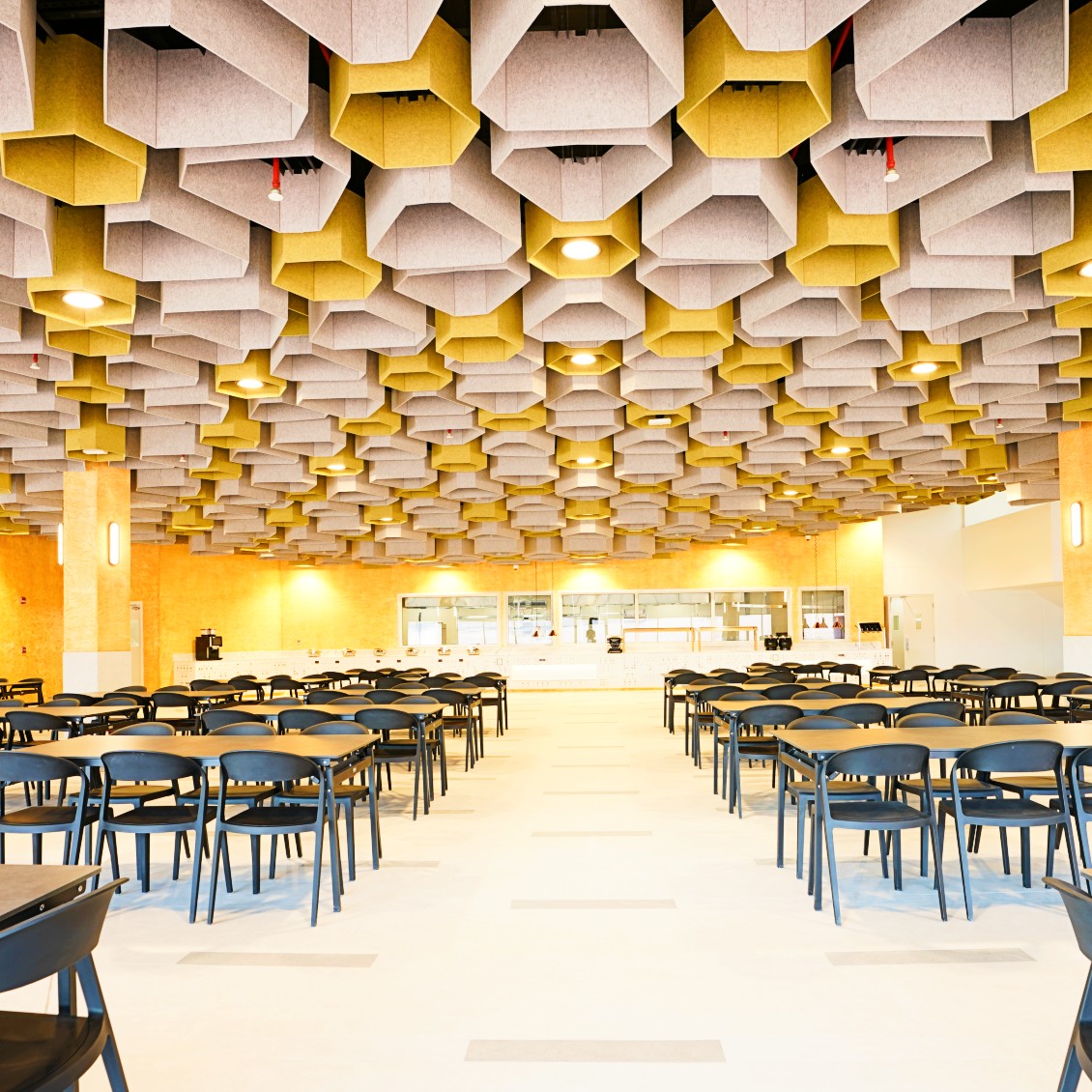
- Ceiling panels
- Hanging baffles or screens
- Pinboards and functional surfaces
In addition, they are available in a wide colour range and multiple thicknesses. As a result, designers can control sound without adding complexity to construction or maintenance.
Why Decrasound fits this shift
Decrasound PET Polyester Acoustic Panels are designed with these real-world requirements in mind. They provide reliable sound absorption, suit demanding environments, and support responsible material choices.
Rather than following short-term trends, Decrasound focuses on products that are practical, durable and proven. Therefore, they remain relevant as building requirements continue to evolve.
Frequently Asked Questions
What are PET polyester acoustic panels?
PET polyester acoustic panels are sound-absorbing panels made from compressed polyester fibres, often with a high recycled content. As a result, they reduce echo and improve speech clarity in rooms with hard surfaces.
Where are PET acoustic panels most commonly used?
PET panels are widely used in classrooms, offices, meeting rooms, libraries, corridors and multipurpose spaces. In each case, they help control echo and reduce background noise where communication becomes difficult.
Do PET panels work better on walls or ceilings?
Both options work well. Wall panels control reflections at speaking height, while ceiling panels and baffles perform better in open-plan areas and rooms with higher ceilings. Therefore, the best approach depends on the room layout and finishes.
How do I know how many panels I need?
The required coverage depends on room size, ceiling height and the amount of hard surfaces such as glass, plasterboard or concrete. Because of this, a simple room assessment will determine the right quantity and placement.
Are PET polyester acoustic panels durable enough for schools and high-traffic areas?
Yes. PET panels are well suited to busy environments because they are robust and hold their shape over time. In addition, they do not rely on a fabric wrap that can sag or fray.
Relevant Standards, Research & Sustainability References
| Topic | Why It Matters | External Reference |
|---|---|---|
| Classroom acoustics guidelines | Explains recommended reverberation times and speech clarity requirements for learning environments | Australian Acoustical Society |
| Speech intelligibility in schools | Research on how background noise and echo affect learning outcomes | World Health Organization – Environmental Noise |
| Acoustic performance standards | International standards used to measure sound absorption performance of acoustic panels | ISO 354 – Measurement of Sound Absorption |
| Environmental product declarations (EPD) | Explains how EPDs are used to assess the environmental impact of building products | International EPD System |
| Sustainable building materials | Independent certification and assessment of low-impact building products | Global GreenTag |
| Acoustic design principles | Overview of how sound behaves in rooms and how absorption improves clarity | BBC – Sound and Acoustics |